Are Self-Cleaning Litter Boxes Worth It? Costs, Trade-Offs and Who Should Skip One
Our top picks
- Best value: WIRED's pick for most people, about $390PETKIT PuraMax 2Tilting drum · 3.3–22 lb · cats: not stated8.5Price tier: Mid-rangeCheck price on Amazon
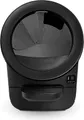 Litter-Robot for one or two cats: quiet and low-odor in WIRED's test, about $599Whisker Litter-Robot EVORotating globe · 3–19 lb · up to 2 cats8.6Price tier: PremiumCheck price
- Cheapest well-reviewed clumping box: WIRED's budget pick, about $250Lesure Open-Top Self-Cleaning Litter BoxOpen-top · 3.3–18 lb · cats: not stated8.0Price tier: BudgetCheck price
 Up to four cats, with weight tracking in the app, about $699–749Whisker Litter-Robot 4Rotating globe · 3–25 lb · up to 4 cats8.7Price tier: PremiumCheck price
A self-cleaning litter box costs anywhere from about $100 to $800 up front, then keeps costing you in liners, filters, trays and litter. In return, you stop scooping every day. Whether that trade is worth it depends less on the box than on your cat, your budget and how you feel about maintaining a machine.
We haven’t tested these boxes ourselves. This guide draws on maker specs, our own running-cost model, and independent reviews from WIRED, Tom’s Guide and Cats.com. We name the outlet whenever a test result appears.
The short answer
A self-cleaning box is usually worth it if:
- your cat is an adult that meets the maker’s minimum weight,
- your cat isn’t unusually nervous about noise or change,
- you’d rather empty a sealed drawer every week or so than scoop every day, and
- you’re happy to budget roughly $10–$25 a month per cat for running costs on top of the box.
It’s usually not worth it for kittens, for cats that are already struggling with litter box habits, or if the box you can afford doesn’t fit your cat.
What you actually gain
Less daily scooping
The AAFP/ISFM house-soiling guide for owners says to remove waste from litter boxes at least daily. An automatic box does that for you after every visit. You swap the daily scoop for emptying a drawer and replacing consumables. We haven’t measured time saved and won’t guess at a figure, but the change in routine is the main reason people buy these.
Steadier odor control
Waste goes into a sealed drawer or bin soon after each visit instead of sitting in the pan. WIRED found the Litter-Robot EVO had virtually no odor and that the PETKIT PuraMax 2 smelled neutral or even good. Not every box does this well, though. WIRED could smell waste in the Neakasa M1 Plus after about five days. See odor fixes for what helps.
A clean box every visit
Cats that dislike a dirty box get a freshly sifted bed every time. In Tom’s Guide’s test, cats used the open-top Neakasa M1 51 times in one week and the Litter-Robot 4 30 times, almost triple Leo’s Loo Too. That’s a small test with a few cats, but it shows that design matters to cats.
Health monitoring
This is the underrated benefit. App-connected boxes log visits, and several record your cat’s weight too:
- The Whisker app tracks visits and weight, and Tom’s Guide says it tells cats apart by weight.
- The Litter-Robot 5’s WasteID separates urine and stool visits, though it needs Whisker+ (about $80 a year, per WIRED) and worked only intermittently in WIRED’s first four months.
- The ScoopFree SmartSpin’s app logs each visit’s time, weight and duration.
- The Purobot Max Pro 2’s camera keeps stool and urine records and recognizes cats by face.
None of this is a diagnosis. But a sudden change in visits or weight is the kind of thing you’d otherwise miss, and it gives you something concrete to tell your vet. For a model-by-model comparison of these features, see our guide to the best self-cleaning litter box with health monitoring.
What you give up
Money
The box itself is the obvious cost, and running costs add up. We break this down below.
Space and noise
These are big machines. The Litter-Robot 4 has a 22 × 27 in footprint, and the Purobot Ultra weighs 46 lb and stands about 33 in tall. All of them make some noise when they cycle.
Reliability and upkeep
You’re buying a machine with motors and sensors, and they can fail. WIRED’s Litter-Robot 4 began sensing “ghost cats” and reporting a full drawer after nearly two years. Tom’s Guide’s LR4 sometimes squeaked and needed maintenance. WIRED’s first ELS PET Orbitie was faulty and logged phantom cleanings up to 36 times a day. Check the warranty: Whisker gives one year with a three-year extended plan, and PETKIT’s Amazon listings advertise two-year coverage.
Safety risk you have to manage
A badly designed automatic box can hurt a cat. Cats.com reported a cat’s death in 2024 after the door of an Amztoy box, unrelated to Whisker’s Litter-Robot, closed on her neck. WIRED won’t recommend boxes that close completely while cycling. The good boxes keep the entrance open and use more than one sensor, but you still need to respect weight minimums. Read are self-cleaning litter boxes safe? before you buy.
Litter choice
Some boxes lock you in. The ScoopFree Crystal boxes only work with PetSafe’s crystal trays. Most others want clumping litter. Our litter guide covers which box takes what.
Five-year cost: box plus running costs
Here’s what our cost model gives for five years with one cat. It adds the lowest typical box price, the maker-priced liners, filters or trays, and litter.
Two assumptions are ours, so treat the results as estimates:
- Litter: 10 lb per cat per month at $0.575 per pound, based on Dr. Elsey’s Ultra (40 lb for $22.99 at Chewy). The 10 lb figure is our planning assumption, not a measured number.
- Bags: where we couldn’t confirm a brand’s bag price (PETKIT, Neakasa and others), we use Whisker’s $1-per-liner price as a stand-in. Third-party bulk bags are usually cheaper.
Optional extras such as OdorTrap packs and Whisker+ are left out.
Crystal-tray boxes include litter in the tray price. Change any assumption in the cost calculator.
| Box | Box price (about) | Consumables, 5 yr | Litter, 5 yr | Total, 5 yr |
|---|---|---|---|---|
| ScoopFree SmartSpin | $340 | about $95 | about $345 | about $780 |
| Lesure Open-Top | $250 | about $258 | about $345 | about $853 |
| Neakasa M1 | $360 | about $258 | about $345 | about $963 |
| PETKIT PuraMax 2 | $390 | about $258 | about $345 | about $993 |
| Purobot Max Pro 2 | $500 | about $258 | about $345 | about $1,103 |
| Litter-Robot EVO | $599 | about $540 | about $345 | about $1,484 |
| ScoopFree Crystal Classic | $100 | about $1,470 (trays) | included | about $1,570 |
| Litter-Robot 4 | $699 | about $540 | about $345 | about $1,584 |
| ScoopFree Crystal Smart | $186 | about $1,470 (trays) | included | about $1,656 |
| Litter-Robot 5 | $799 | about $540 | about $345 | about $1,684 |
A few things stand out:
- The cheapest box isn’t the cheapest to own. The ScoopFree Crystal Classic starts at about $100, but its trays cost about $24.50 each at PetSafe, roughly one per cat per month. Over five years it costs about as much as a Litter-Robot 4.
- Whisker’s consumables cost more. Liners plus one carbon filter per cat per month come to about $9 a month in our model, against about $4.30 for bags in a PETKIT.
- Litter is the same everywhere. About $345 over five years per cat in our model. You’d buy litter for a manual box too, so the real extra cost of going automatic is the box plus liners, filters or trays.
With two cats, the gap widens because consumables scale per cat. Run your own numbers in the cost calculator, and change the litter price and pounds per month to match what you buy.
Who self-cleaning boxes suit
- Busy owners and frequent travelers who’d rather empty a drawer weekly than scoop daily. Plan for someone to check the box if you’re away.
- Owners who want health data. Weight and visit logs are genuinely useful for older cats or cats with a history of urinary problems.
- Multi-cat homes with the right box. Whisker rates the Litter-Robot 4 for up to four cats and the Litter-Robot 5 for up to five. See the best boxes for multiple cats.
- Cats that are fussy about a dirty box. A freshly sifted bed every visit can help.
Who should skip one, or wait
- Kittens. Every maker sets a minimum. Whisker says 3 lb for its current boxes and to run them semi-automatically below that. PETKIT says 3.3 lb, and some makers add a six-month age minimum. Use a manual box until your kitten qualifies. Check yours with the cat safety checker, and see our kitten guide.
- Cats that hate change or noise. If your cat is already avoiding the box or reacts badly to new things, adding a motorized box can make it worse. Whisker says over 95% of cats acclimate to the LR4, but that’s Whisker’s claim, based on its own return reasons.
- Cats that refuse crystal litter, if the box you’re considering is a ScoopFree Crystal. There’s no clumping option.
- Very large cats with a small-entry box. WIRED’s 17-lb cat found the PuraMax 2’s opening cramped. Big cats need a large entry or an open top; see the best boxes for large cats.
- Anyone not ready to keep a backup box. The AAFP’s traditional rule is one box per cat plus one. WIRED says automatic models reduce the need for multiple boxes, but recommends keeping the old box out. Machines break, and power goes out.
How to make it worth it
- Match the box to your cat first, price second. Weight range, entry size and litter type rule boxes in or out. The litter box matcher filters by these.
- Buy from the maker or its official storefront. Neakasa has warned about counterfeit M1 listings.
- Transition slowly. Keep the old box nearby and use familiar litter. Our transition guide has the steps.
- Budget the consumables. Buy liners, filters and trays in larger packs; Whisker’s 50-liner pack works out to $0.70 a liner versus $1.20 in the 10-pack. Sales help, too; see our Black Friday guide.
- Check the return window. If your cat refuses the box, you want a way out.
Bottom line
A self-cleaning litter box is worth it for most healthy adult cats and owners who value not scooping every day and who will keep up with basic maintenance. It doesn’t save money: over five years it costs more than a manual box, often a lot more. What you’re buying is convenience, steadier odor control and, with app-connected boxes, a useful record of your cat’s habits.
If that sounds right, the PETKIT PuraMax 2 is the best value among the well-reviewed boxes, and the Litter-Robot EVO is the Litter-Robot to buy for one or two average-size cats. Prices change often, so check today’s price. For the full ranking, see the best self-cleaning litter boxes or our budget picks.
Frequently asked questions
Is a self-cleaning litter box worth the money?
How much does a self-cleaning litter box cost to run?
Do cats like self-cleaning litter boxes?
Are self-cleaning litter boxes good for multiple cats?
Who should not get a self-cleaning litter box?
Sources
- Whisker: Litter-Robot 4 · checked 2026-11-12 — $699; up to 4 cats, 3–25 lb; over 95% of cats acclimate (Whisker claim based on return reasons); carbon filter and OdorTrap every 2–4 weeks.
- Whisker accessories: waste drawer liners · checked 2026-11-12 — Liners 10 for $12, 25 for $25, 50 for $35.
- WIRED: The Best Automatic Litter Boxes · checked 2026-11-12 — PuraMax 2 best for most people; LR4 ghost-cat errors after about two years; Whisker+ about $80 a year for LR5 features; Orbitie first unit faulty.
- PetSafe: litter and trays · checked 2026-11-12 — Disposable tray 3-pack $73.49.
- Chewy: Dr. Elsey's Precious Cat Ultra, 40 lb · checked 2026-11-12 — $22.99 for 40 lb.
- Tom's Guide: I asked cats to test these robotic litter boxes · checked 2026-11-12 — Cats used the Neakasa M1 51 times in one week and the Litter-Robot 4 30 times, almost triple Leo's Loo Too.
- AAFP/ISFM: House-soiling client guide · checked 2026-11-12 — One litter box for each cat plus one; remove waste at least daily.
Get new guides by e-mail
One short e-mail when Self-Cleaning Litter Box Guide publishes a new guide. No spam, no sharing your address, and you can unsubscribe in one click.